What does convenience really mean in modern automated retail? It is no longer enough to simply place a vending machine, laundry machine, kiosk, or other unattended service close to the customer. Today’s consumers expect familiar payment options, greater visibility, reliable equipment, and digital experiences that remove unnecessary effort from the transaction.
Automated retail technology is helping operators meet those expectations through cashless and mobile payments, connected machines, availability information, notifications, digital receipts, and better equipment data. These capabilities don’t just make transactions easier for customers; they also give operators greater insight into machine performance, demand, service issues, and customer behavior. Ultimately, modern convenience is becoming less about physical proximity and more about how easily the entire experience fits into the customer’s day.
There’s a common moment in every shared laundry room. You fill up a basket and carry it downstairs. After sorting your clothes, you load up the washer and close the lid. It’s right then, looking at the coin deposit, you realize you didn’t bring enough quarters. You start digging through the pockets of your jeans and find only lint.
There are no quarters upstairs in your junk drawer or key bowl. Now you have two choices: find somewhere that can change out cash or leave the laundry to wait for another time.
The washing machine may have only been a few floors away, but the whole experience was anything but convenient.
For decades, unattended retail operated on a narrow definition of convenience. An office vending machine saved someone a lunch trip. A hotel snack machine gave a late arrival somewhere to find food while they were checking in. The aforementioned laundry eliminated the need for a drive to the laundromat.
All of that solved a proximity problem. Those machines usually didn’t solve the problem around the transaction. Customers still needed “exact change only” or, even worse, some form of specific payment card. You couldn’t always tell if a machine was working before getting right up to it. You probably didn’t even know where exactly a machine was until you’d used it once.
In the age of digital transformation, modern retail technology is redefining convenience in these situations. Yes, the machine still needs to be in the right place, but location is only the beginning. Now, customers are measuring convenience by the overall experience and how little friction it takes to get what they want.
How Was Retail Convenience Mostly About Proximity?
Traditionally, unattended retail opportunities were designed to bring products closer to customers. A vending machine can serve an office without a staffed store. Airports could install kiosks in areas where a traditional shop would be impractical. Convenience came from access.
The operating assumptions behind many of those solutions were based on a different era. Cash was common, and customers would plan ahead for small transactions throughout their day. Machines were isolated and “dumb.” They stood in their spot and couldn’t really exchange information with customers or operators.
There was a certain level of give-and-take required for these transactions. You needed the right change. You had to find the machine. And you had to be OK with the lack of guarantee that the equipment would work, or that you would get the right item.
Physical access may have solved the customer’s proximity problem, but in doing so, it created a host of new challenges.
Why Has Payment Become the Weakest Point in Automated Retail?
Years and years ago, I stopped at a gas station to put air in my tires. Today, that’s a free transaction in many places, but at that time, the machine required four quarters. I had three. I looked for more change but couldn’t find any, so I left frustrated and with a car that had low air.
No transaction. A frustrating experience for me, and lost revenue for the operator. I was willing to pay the asking price. The service was what I needed, and the machine was the solution. But the transaction didn’t happen, due to both my own and the equipment’s limitations.
But the problem wasn’t just that I left without making a transaction. It was late at night; my kids were in the back seat; my tire pressure was low; and we still had a ways to go to get home. So now, not only am I frustrated that the service wasn’t available when I needed it, but now I have to worry the rest of the way home, hoping the car will be ok. Even worse, my kids are worried now, too.
I think about that moment a lot because it showed how easily a willing customer can become a lost one. In staffed retail, an employee might have been able to help me. At an unattended machine, no one could recover that sale. That moment became the genesis of PayRange. I realized that if my phone can talk to my car, why can’t my phone talk to the air machine to activate it? In such a connected, digital-first world, I felt there was no reason for an issue like the one I faced to ever happen again.
Consumer payment behavior has only continued to move away from the assumptions behind the unattended retail model. Even the Federal Reserve shows more than 75% of U.S. consumers prefer credit or debit cards for in-person payments. Across the board, there has been a steady decline in cash use for consumer payments, as more and more people opt for cards or other mobile payments.
This puts automated retailers in a bind whenever a customer is asked to make an unplanned purchase. Most people don’t organize their day around whether they’ll need four quarters later. They carry the currency they use everywhere else: cards, smartphones, or mobile wallets. When an unattended machine can’t accept these tools, we have to decide if the purchase is worth any additional effort. Usually, the answer is no.
How Has Automated Retail Technology Moved Convenience Beyond the Coin Slot?
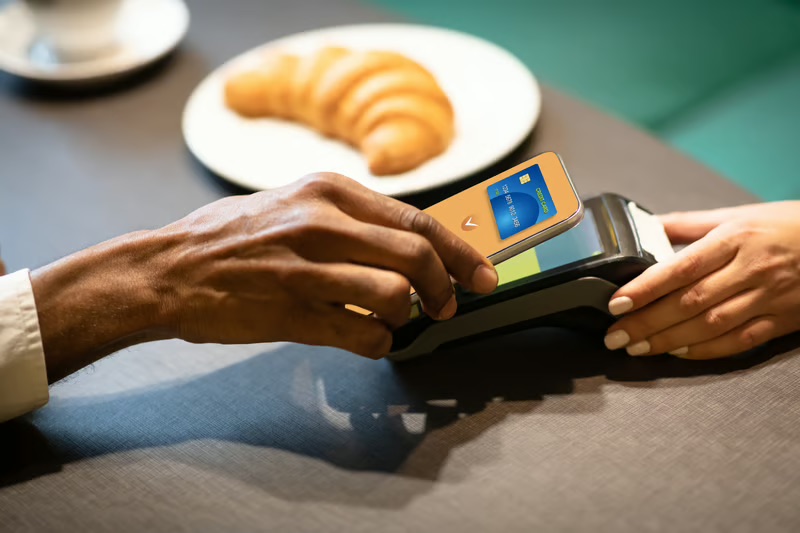
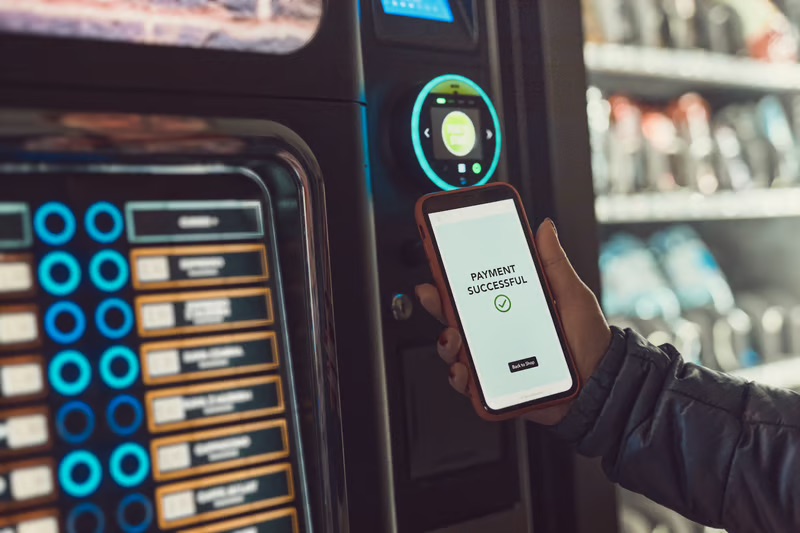
Adding cashless payment acceptance removed one important obstacle. The biggest change, however, happens when equipment becomes part of a connected system. A connected machine can do more than simply make a transaction. It can confirm that a payment was successful, communicate system status, report a problem, provide receipts, or even notify customers directly. Connected machines provide customers and operators with more information than isolated machines ever could.
Now, retail technology can impact the entire customer journey.
Before arriving, a customer may be able to determine whether a machine is available or where other options are. Once there, the person can use a familiar payment method instead of fumbling with cash. During delivery, the system can provide timing or status information and, afterward, issue a receipt. Each capability removes a different point of friction for the customer.
Mobile payments reduce preparation. Status updates reduce uncertainty. Notifications reduce the need to wait around, and digital receipts make records easier to retrieve or save. Remote communication can help operators accelerate maintenance, reducing the number of customers turned away due to breakdowns or a lack of inventory.
This might not seem dramatic, but every small improvement compounds with customer satisfaction.
“The best customer experiences often feel unremarkable because the technology removes the moments that create frustration. The customer simply completes their task and moves on.”
Of course, this customer simplicity requires significant investment on the part of operators. Infrastructure is required for payments to be processed securely. The system must work across varied equipment, locations, ownership, and connectivity conditions. It’s never plug-and-play; the operational discipline to deliver simple customer interactions is what drives the greatest success.
Is Accessibility or Visibility More Important?
A machine can be nearby and still waste the customer’s time. Let’s go back to the apartment resident going to the shared laundry room. It’s accessible, but do they have any way of knowing whether any washers are available? Maybe every machine is occupied. Maybe one is out of order. Regardless, the customer has no one to verify if now is a good time to do their laundry.
Now, the customer is faced with another decision. They can wait, make another trip later, or haul their laundry somewhere else.
Visibility changes that experience. With connected retail technology, customers could check machine availability before leaving home. They could see if the equipment is occupied or unavailable. They might even be able to tell when a better time would be. The value comes from making the trip more predictable.
This is the next evolution in how automated retail operators should think about convenience. Speed and proximity matter, but predictability can be the most crucial element.
“Customers want to know if they can actually get what they need done in the time they have. Availability information is perhaps key to the entire experience. A machine’s status tells the customer whether they should pursue the transaction at all, saving them time and potential frustration.”
How Are Consumer Expectations Changing?
People don’t create a different set of expectations for every interaction throughout their day. Their expectations from a coffee shop aren’t separate from their expectations of a laundry machine. That might sound absurd, but it’s true. The habits customers form through mobile ordering, rideshare apps, ecommerce, or contactless checkout influence how people evaluate every interaction, regardless of the business or industry.
Smartphone ownership made mobile-first interactions familiar across the board. In 2025, Pew Research reported that 97% of U.S. adults under 50 owned a smartphone. Ownership was 90% among adults aged 50 to 64. This near ubiquity has made contactless payments part of everyday consumer behavior. This is particularly true among younger consumers, with 60% of buyers under 40 having used a mobile wallet as of 2023.
Customers know that physical equipment can be connected to digital experiences. They’ve seen technology get them rides, deliver products the same day, and deposit paychecks from photos. That raises the standard for every transaction they initiate.
Modern convenience should expand useful choices. Depending on the environment, operators should enable mobile wallets, QR-based options, card acceptance, or other traditional payment methods. One shouldn’t simply replace the other. The objective is to reduce the number of situations in which someone has to abandon a transaction despite being willing to pay.
Do Better Customer Experiences Create Better Operating Information?
“The visible benefits of retail technology serve the customer, but connected systems also improve the operator’s view of the business.”
Cash-only machines tell you very little about what happens between collections. You don’t know when transactions occurred, whether payment attempts failed, when equipment stopped working, or how usage changed over time and across locations. Really, the only thing you do know is how much money was in the machine when they opened it.
Connected machines can provide much more robust, timely information. Even if it isn’t necessarily real-time, accelerated data sharing can help an operator recognize patterns like:
- Equipment that regularly becomes unavailable during peak periods
- Locations where demand exceeds capacity
- Machines that generate repeated service alerts
- Times when customers are most likely to transact
- Differences in adoption among available payment methods
- Points where a customer begins but doesn’t complete an interaction
That information connects customer convenience to operational performance.
An out-of-service machine frustrates a customer, but it costs the operator. The faster they can see that a machine is down, the greater their chance of responding before the issue affects more transactions. Modern, connected technology is a source of operating insight. The same innovation that helps a customer complete a transaction can help the operator understand how the equipment is performing.
“It’s a useful cycle. Better information enables better operating decisions. Better decisions improve machine performance and overall customer experience. Rinse, and repeat.”
Why Should Automated Retail Convenience Be Evaluated Across the Whole Customer Journey?
Operators have traditionally paid close attention to placement because location remains fundamental to unattended retail. A machine must be accessible to the people who need it. It should be placed where there’s sufficient demand, where the transaction makes sense, and where the equipment can be operated and serviced effectively.
But placement alone no longer provides a complete picture of convenience. The basement laundry room may still be in exactly the same place it was 20 years ago. The washers may occupy the same row against the same wall. Yet the experience can be fundamentally different.
A resident can check availability before carrying down a basket. The person can pay with a familiar digital method rather than collecting quarters. A confirmation can show that the cycle began successfully. The customer can return upstairs and receive a notification when the laundry is ready.
The physical distance hasn’t changed; the amount of effort has.
That’s how retail technology is redefining convenience across self-service commerce. The next stage of unattended retail will depend on more than placing machines in useful locations or adding another way to pay. It will be shaped by systems that make every stage of the interaction easier to understand and complete.
The future will still require reliable equipment, thoughtful placement, secure payments, and disciplined operations. Increasingly, however, customers will judge convenience by a simpler standard: how easily the experience fits into the rest of their day.
Frequently Asked Questions (FAQs)
1. How is retail technology changing the meaning of convenience?
Convenience was once defined mainly by proximity. A nearby vending machine, kiosk, or laundry room saved the customer a trip elsewhere. Today, retail technology enhances convenience throughout the experience by reducing the preparation, uncertainty, waiting, and effort required to complete a transaction. Customers increasingly expect the machine to be accessible, available, easy to pay, and able to communicate clearly.
2. Why are cash-only machines less convenient for modern consumers?
Cash-only machines require customers to plan ahead for purchases that are often spontaneous. Most people don’t carry coins or small bills specifically for vending machines, laundry equipment, or other unattended services. When the machine cannot accept the cards, smartphones, or mobile wallets that customers already use, a willing customer may abandon the transaction entirely.
3. How do connected machines improve the customer experience?
Connected machines can communicate with customers before, during, and after a transaction. They may provide availability information, payment confirmations, service status, digital receipts, and completion notifications. These capabilities allow customers to spend less time monitoring equipment and make unattended services fit more easily into their day.
4. How does retail technology help automated retail operators?
Retail technology provides operators with information that cash-only, disconnected machines cannot easily produce. Operators may be able to see transaction patterns, payment failures, service alerts, machine downtime, peak usage periods, and differences in demand across locations. This information supports faster maintenance, stronger equipment utilization, and better operating decisions.
5. Should automated retailers eliminate cash when adopting retail technology?
Not necessarily. Modern convenience should expand payment choice rather than replace one restrictive system with another. The right mix depends on the customer base and operating environment, but it may include cards, mobile wallets, QR-based payments, stored value, and traditional payment options. The objective is to serve more customers and reduce avoidable transaction barriers.